
Stop snacking, it's not really a matter of willpower. It's also, and above all, a matter of biology. By addressing the real causes – blood sugar, hormones, stress, deficiencies... – you can regain control, and most importantly, without frustration. It's a smooth and compassionate approach that I propose to you.
Behind the urge to snack: a well-oiled mechanism
Far from being a sign of weakness, snacking is actually your body's response to an imbalance. Believing you can get rid of it through sheer mental strength is a mistake. Your cravings are actually signals, messages your body sends you to draw your attention to a need.
This vision, long associated with approaches like naturopathy and sometimes deemed unscientific, is now increasingly confirmed by research. Studies show it: these urges are often linked to very real physiological mechanisms.
The real reasons behind your cravings
Several factors can trigger these urges that we believe are irresistible. Identifying yours is the very first step to finding the right strategy.
- The blood sugar yo-yo effect: You eat a sugary snack, your blood sugar spikes, your body releases insulin to handle it all, and suddenly, it crashes. This is reactive hypoglycemia. In response, your body urgently craves sugar to climb back up—it's a vicious cycle. The solution here is to choose carbohydrates wisely and pair them correctly. A part of the blog post text: How to stop snacking with strategies that work
- Hormonal rollercoasters : Premenstrual syndrome, PCOS, perimenopause... Our hormonal balance can be disrupted by multiple factors that may intensify our cravings for sugar and fat. A part of the blog post text: How to stop snacking with strategies that work
- Stress: When stress becomes chronic, our body continuously produces cortisol. This stress hormone pushes us to seek out "comfort" foods, high in calories. It's a very archaic survival reflex. A part of the blog post text: How to stop snacking with strategies that work
- Thirst: the signals of thirst and hunger can be confused by our brain because they converge towards the same cerebral location, the hypothalamus A part of the blog post text: How to stop snacking with strategies that work
- Fatigue: lack of sleep disrupts hunger hormones such as leptin and ghrelin: you feel hungrier and get full more slowly A part of the blog post text: How to stop snacking with strategies that work
- Emotions: food can be an emotional comfort. When you're feeling down, bored, lacking purpose, or frustrated, the body seeks to fill the void, and food provides a dopamine boost that tricks the brain into believing it's fulfilling that role. A part of the blog post text: How to stop snacking with strategies that work
A craving to snack isn’t just a whim. It’s a message. It’s your body telling you: "Help me regulate my energy, my hormones, my emotions, or my stress."
By understanding this, you shift from a struggle against yourself to a collaboration with your body. The goal is no longer to 'resist,' but to intelligently respond to the real need hidden behind the craving. And that's where the secret lies to freeing yourself from snacking for good.
Identify the real triggers behind your cravings
To truly stop snacking, you first need to put on your detective hat. Every craving is valuable information. Is your body asking for energy, or is your mind seeking comfort? That’s the difference between physiological hunger and emotional snacking.
The key is to observe yourself, but never judge yourself. The next time the urge arises, take a second to analyze the context. What time is it? What emotion dominates at this moment? Which specific food is catching your eye? What time was your last meal? This simple pause can defuse the compulsion and reveal patterns you didn’t suspect.
The roots of your compulsive cravings
Often, these cravings don’t come out of nowhere. They are the result of internal imbalances. Chronic stress, hormonal fluctuations, or a spike in blood sugar after a too-sweet meal are the usual suspects. Snacking then becomes an attempt—often clumsy—by your body to restore its balance.
Real hunger or emotional craving: how to tell the difference?
It's not always easy to distinguish a real need from a fleeting desire. This chart is a little reminder to help you see things more clearly at a glance.
| Criteria | Physiological hunger (the body needs energy) | Emotional craving (the mind seeks comfort) |
|---|---|---|
| Appearance | Progressive, installs gently. | Sudden, urgent, "I need it right now!". |
| Localization | Sensation in the stomach (rumbling, emptiness). | Sensation in the head, craving in the mouth. |
| Type of food | Open to multiple options, even a simple meal. | Very specific craving (chocolate, chips, cheese...). |
| Satiety | Disappears after eating a reasonable amount. | Difficult to satisfy, one can eat endlessly. |
| Emotion after | Satisfaction, relief. | Often followed by guilt or shame. |
In summary, physiological hunger comes from the stomach, emotional cravings come from the head. Learning to recognize them is already taking back some control.
Snacking is not a lack of willpower. It's a response, often unconscious, to a deeper need. By identifying this need, you regain control.
This realization is the very first step. If you suspect that sugar has become more than just a craving, don't hesitate to delve deeper into the topic. To learn more, discover our article on sugar addiction and tips to break free.
Understanding why you snack will finally allow you to choose an action that is right for you, rather than enduring a compulsion. This is the beginning of a calmer, more intuitive relationship with your eating.
Implement an anti-snacking diet
Once you've identified the root causes of your cravings, the best defense is prevention. To stop snacking, the trick is to build main meals that are sufficiently complete and satisfying: your body won’t feel the need to ask for anything else between meals. This is where the naturopathic approach, focused on physiological balance, perfectly aligns with the science of nutrition.
The idea is to create a plate that acts as a true shield against compulsive cravings. Far from being a deprivation, it's an intelligent way to give your body exactly what it truly needs to fuel itself steadily, without the energy rollercoasters that push us straight to the pantry.
The three pillars of a satisfying meal
For a meal to keep you full and energized in the long run, it must be built on three essential pillars. Their combination is the key to stabilizing blood sugar and prolonging the feeling of satiety—both factors that make all the difference in the fight against snacking.
- High-quality protein: These are the champions of satiety. A study published in The American Journal of Clinical Nutrition showed that a protein-rich breakfast significantly reduces evening snacking. They lower levels of ghrelin, the hormone that shouts, "I'm hungry!" Consider incorporating eggs, fish, legumes, nuts, or poultry into every meal. A part of the blog post text: How to stop snacking with strategies that work
- Abundant fiber: Fiber acts like a brake on digestion. Result: sugar is released more slowly into the blood, which avoids the famous 11 a.m. "energy crash" that makes us crave a cookie. Fiber is found in whole vegetables, whole fruits, and whole grains. A part of the blog post text: How to stop snacking with strategies that work
- Healthy fats: Avocado, nuts, seeds, and high-quality oils (olive, rapeseed, flax...) are essential. They don’t just satisfy hunger; they also play a crucial role in balancing our hormones. A part of the blog post text: How to stop snacking with strategies that work
By nourishing your body with this winning trio at every meal, you no longer fight against your cravings. You cut them off at the root. It's a proactive, compassionate approach that changes the game.
Concrete examples for each meal
To start the day on the right foot and stay full until lunch without hunger pangs, here’s a short list of healthy and simple breakfasts and here’s my favorite recipe.
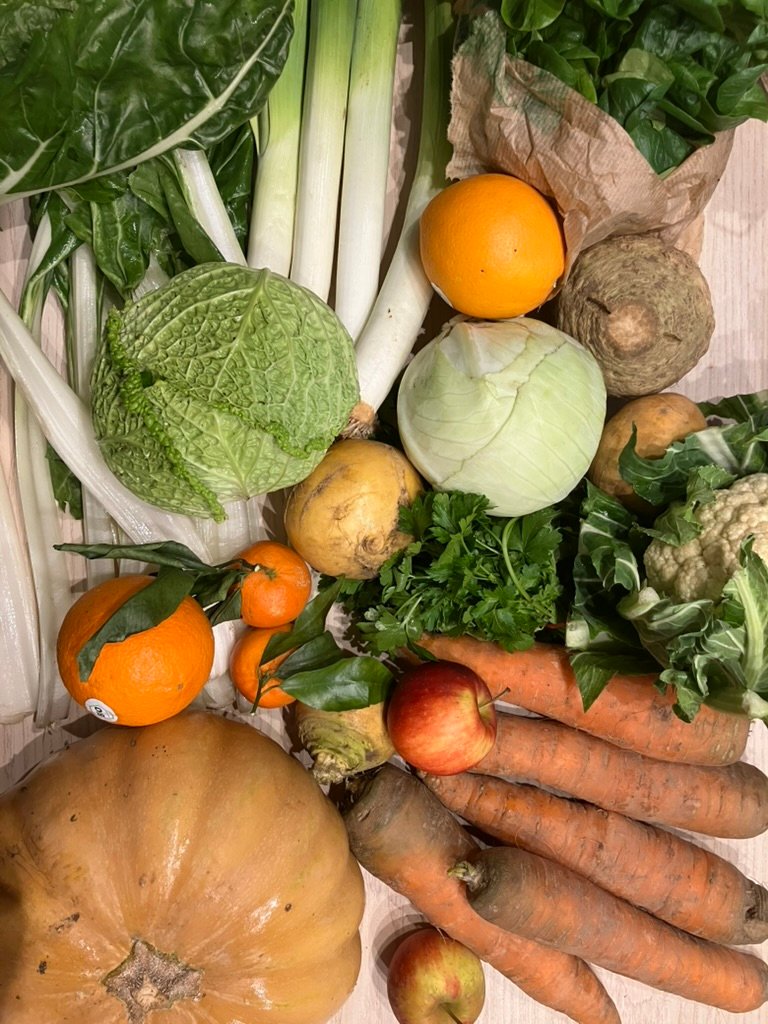
At midday, think about colors: green, orange, red. A grain, like quinoa or brown rice, and a protein like chicken or legumes. Make sure to add olive oil to your dish. Here are some ideas to diversify your carbohydrate sources daily.
For dinner, a typical plate made up of plant-based proteins like lentils, tofu, or chickpeas, with two vegetables such as steamed broccoli and grated carrots, for example, and sweet potato, always enhanced with a quality oil—it’s great. Sweet potato provides complex carbohydrates that help maintain stable sleep without spiking blood sugar levels.
By structuring your meals this way, you provide a constant flow of energy to your body and brain. You'll quickly notice a more stable mood, better concentration, and, above all, snack cravings that disappear as if by magic!
Even with a perfectly balanced diet, life throws its share of challenges at us. A spike in work stress, a night too short, a frustration... and the urge to snack comes back. That's completely normal. The goal isn't to aim for an impossible perfection, but rather to build a reliable toolkit to navigate these tricky moments.
Consider this section your Plan B. Let's work together to address these urges with smart strategies that go far beyond just snacking. The idea is to provide your body with the response it truly needs, whether it's nutritional, physical, or emotional, by relying on techniques that have proven effective.

Scientifically validated non-food alternatives
When faced with a sudden craving, our first instinct is often to look for something to eat. However, the real need is rarely food-related. Simple approaches, drawn from disciplines like naturopathy and now closely studied, can defuse a craving in just a few minutes.
Take coherent breathing, for example. It's a tool of tremendous power. Studies have shown that just five minutes of this controlled breathing (inhale for 5 seconds, exhale for 5 seconds) is enough to calm the nervous system and lower cortisol levels, the stress hormone. It's a direct and effective response to a craving triggered by anxiety.
Your urge to snack is often your nervous system’s call for calm. A deep breath can be more effective than a cookie.
Similarly, hydration plays a crucial role. The brain sometimes struggles to distinguish between hunger and thirst. Before giving in, drink a large glass of water and wait about ten minutes. You might be surprised to see the urge to eat disappear without any other action.
Sleep, the keystone of your hormones
Lack of sleep is one of the worst saboteurs of our good intentions. A single bad night is enough to disrupt the hormones that control our appetite. The production of ghrelin (the hormone that shouts "I'm hungry!") increases, while that of leptin (the satiety hormone) drops.
Scientifically, it's a losing equation. Your body craves quick energy, often sugar, to compensate for fatigue. Prioritizing quality sleep is therefore one of the most effective anti-snacking strategies in the long run.
Prepare smart snacks
Sometimes, hunger is very real and a snack is necessary. The key is to anticipate it so you don’t grab the first snack you see. A good anti-snacking snack, like a main meal, should combine proteins, fiber, and healthy fats.
Here are a few simple ideas that work:
- A handful of almonds: Rich in fiber, protein, and magnesium, it keeps you full for a long time and helps regulate blood sugar. A part of the blog post text: How to stop snacking with strategies that work
- A slice of wholemeal sourdough bread with nut butter and some red berries The proteins from the wholemeal bread and nuts ensure satiety, while the fruits provide fiber and antioxidants. A part of the blog post text: How to stop snacking with strategies that work
- A snack that you will have prepared yourself with a low glycemic index. Here are my current favorites: Low GI mini bars like Twix, Chocolate cinnamon cookies, Chocolate muffin, Walnut cake... A part of the blog post text: How to stop snacking with strategies that work
To help you see things more clearly, here's a handy little guide to know which action to take based on the cause of your craving to snack.
| Identified trigger | Immediate and practical solution | Scientific benefit |
|---|---|---|
| Stress / Anxiety | 5 minutes of coherent breathing or deep breathing Or the activity that relaxes you: meditating, painting, gardening.... | Reduces cortisol, calms the nervous system, and cuts emotional cravings. |
| Fatigue / Energy crash | Walk 10 minutes outside or drink a large glass of water. | Exposure to light and movement boosts energy. Water rehydrates. |
| Habit / Boredom | Change rooms, call a friend, start an upbeat playlist. | Break the automatic pattern and divert the brain's attention away from food. |
| Real hunger | Have a balanced snack (protein + fiber). | Provides stable energy and lasting satiety, without blood sugar spikes. |
For me, managing snacking should be seen as learning a new language: each step is progress, and once you know how to speak it, it's yours for good—you’ve regained your sovereignty, and believe me, that’s magical!
Turn your actions into habits that truly last
You now have plenty of strategies at your disposal to manage your cravings. The secret to stop snacking for good isn’t to struggle constantly. It’s about turning these new actions into habits so they become natural and effortless. Moving from constant effort to fluidity.
It might sound like a clichéd personal development concept, but it's actually deeply rooted in science. A study by Lally et al. (European Journal of Social Psychology, 2009) found that, on average, a behavior took 66 days to become automatic.
This is crucial information. It frees us from the pressure to be perfect overnight. We can approach this path with more patience and kindness. The goal isn't to never crack under pressure again. It's about building, day by day, healthier habits that will eventually replace the old ones.
The power of small steps, every day
The secret to lasting success is to start small. Trying to revolutionize everything at once is the best recipe for failure. The gentle and progressive approach, which is at the heart of Niki Coach's philosophy, perfectly aligns with this principle. The program is designed to integrate changes so subtle that they provoke no resistance.
Imagine starting with a simple challenge:
- Week 1: Drink a large glass of water as soon as a craving for snacking appears. It’s an easy action that creates a pause and helps determine whether it’s simply thirst. A part of the blog post text: How to stop snacking with strategies that work
- Week 2: Add a 10-minute walk outside after lunch. It aids digestion, stabilizes blood sugar, and clears the mind, preventing the dreaded afternoon slump. A part of the blog post text: How to stop snacking with strategies that work
These actions, which may seem modest, are in fact small daily victories. Every challenge you overcome strengthens your sense of competence and your self-confidence. It is this positive dynamic that becomes the true engine of your change.
Lasting change does not come from a great revolution, but from the accumulation of small repeated actions until they become second nature.
Build a system that supports you, even on bad days
Life is full of surprises. There will be stressful days, sleepless nights, and events that will test your motivation to the limit. It is precisely in these moments that well-established habits make all the difference. They act like a safety net, automatic behaviors that guide you without having to draw on your willpower—which, let’s face it, isn’t endless.
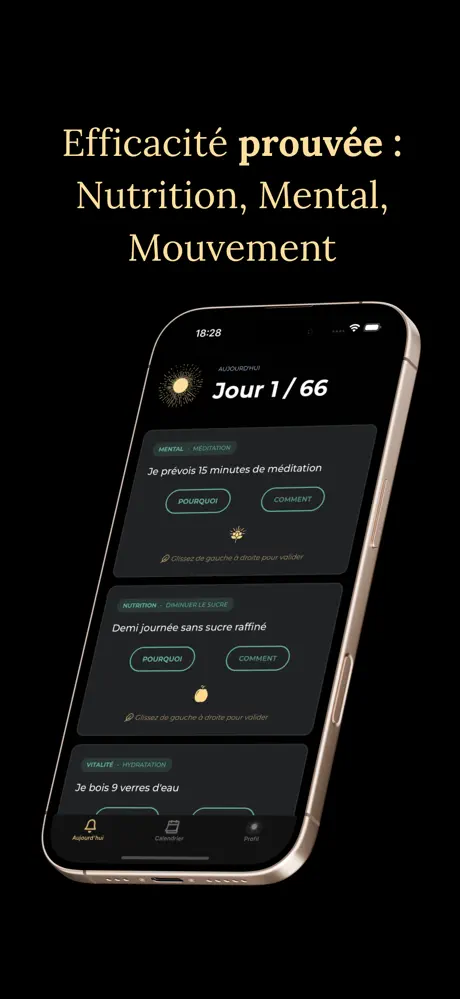
Niki Coach's 66-day program is specifically designed to support you during this critical phase. It structures your journey with progressive challenges and daily follow-ups so that these new strategies become so natural that they no longer require any conscious effort.
The ultimate goal is to integrate these behaviors into who you are. You won’t be "someone who’s trying to stop snacking" anymore, but simply someone who takes care of their body by naturally responding to its true needs.
We answer your questions about snacking
Here, I’ve gathered the most frequently asked questions to guide you with clear answers, grounded in science and a compassionate approach. Far, very far from the clichés about “willpower”.
Do the cravings to snack really end up disappearing?
Yes, absolutely. The goal is not to live in a perpetual struggle, but to rebalance your body so that these urges naturally subside on their own.
By stabilizing your blood sugar with truly balanced meals and learning to manage your stress, you cut the grass from under the feet of most cravings. Cravings don’t vanish magically overnight, but they become much less frequent and less intense. And most importantly, you’ll have the keys to respond to them calmly. Snacking then becomes an occasional and conscious choice, rather than a compulsion you endure. As for sugar, by the way, your palate will crave less sweetness and be drawn to foods with less sugar.
Why do I tend to snack especially at the end of the day or in the evening?
This is very often the case and it is often linked to several factors that accumulate by the end of the day.
- Decision fatigue: After a day spent making decisions, your "willpower muscle" is simply exhausted. It's much harder to resist primal urges. A part of the blog post text: How to stop snacking with strategies that work
- The need to unwind: In the evening, it's often the only moment when you can finally breathe. Snacking can become a real ritual to mark the end of the day and soothe the accumulated stress. A part of the blog post text: How to stop snacking with strategies that work
- A lunch too light: if you didn't get enough nutrients at lunchtime, your body will tend to grab whatever it finds to make up for a real deficiency. A part of the blog post text: How to stop snacking with strategies that work
- A dinner too light: If your evening meal lacks protein or fiber, it's quite normal for hunger to return to rear its ugly head a few hours later. A part of the blog post text: How to stop snacking with strategies that work
Should we completely ban "pleasure" foods?
Definitely not! It's actually the best way to give up at some point. The prohibition only creates frustration and reinforces the appeal of the 'forbidden' food. It sets the stage for much bigger cravings.
The key isn't in restriction, but in smart integration. A square of high-quality dark chocolate after lunch can perfectly calm a sugar craving without spiking your blood sugar. The idea is to shift from compulsive and hidden consumption to mindful and acknowledged tasting. When a food is no longer a taboo, it loses much of its power over you.
Ready to turn these tips into lasting habits, without overcomplicating things? Niki Coach supports you with a personalized 66-day program to finally free yourself from snacking. Discover your action plan by downloading the app here https://niki-coach.com/download
After a short 5-minute questionnaire, you can start your new program, ask your questions via the app's chat, and access all the tools (meditations, recipes, water quality, and breathing exercises).