
Most diets fail. Nearly 60% of people are dissatisfied with their diets (no weight loss or weight regained). A meta-analysis of 29 weight-loss studies concludes that over 80% of lost weight is regained within 5 years. The goal isn’t to count every calorie, but to gently reprogram your relationship with food and movement, by adopting habit changes and approaches whose effectiveness is now validated by scientific research.
Why traditional diets are doomed to fail
If you've ever tried a restrictive diet only to end up regaining all the weight you lost (or even more), know above all that this is an experience shared by millions of people.
And science explains this very well. It's not a matter of willpower, but rather the very design of diets that is problematic.

The spiral of cognitive restriction
The basic principle of a diet is what we call cognitive restriction. In simple terms, you use your mind to control and ignore your body's natural signals, like hunger. At first, it might work. Motivation is at its peak, the first few pounds disappear, and you feel a sense of control.
Except that, after prolonged energy restriction, biological changes set in that work against you in your desire to lose weight! You then enter a vicious cycle that harms you more than it helps you.
This restrictive approach also creates psychological tension around forbidden foods. It's a struggle that ultimately leads to frustration and fatigue.
A diet is not a sustainable solution, it's a pause in your habits. The real challenge is to build new reflexes that don't require constant effort. Changing your lifestyle towards a healthy, joyful balance that respects your metabolism
The yo-yo effect and our biology:
Caloric restriction leads to hormonal and metabolic adaptations that make weight regain likely, especially if the food environment and physical activity are not permanently modified.
Biologically, your body interprets severe caloric restriction as a period of famine. To survive, it triggers defense mechanisms:
-
Metabolism slows down. In case of significant calorie restriction, the body adapts and becomes a bit more energy-efficient, burning fewer calories.
-
You are losing muscle. In a calorie deficit, there is always some muscle loss, even if the body is simultaneously drawing on fat stores.
-
Hunger hormones go into overdrive. The level of ghrelin (the hormone that says "I'm hungry") increases while that of leptin (the satiety hormone) decreases.
These changes significantly increase the risk of weight regain after a restrictive diet: when you eat more again, a slightly slowed metabolism and increased appetite promote fat regain, especially if the food environment does not change.
The figures in France confirm it. According to Ipsos polls, "despite the determination the French have shown, the majority of those who have already tried a diet (58%) were not satisfied with the result: they did not lose weight, or not as much as they wanted, and those who did lose weight regained most of it (65%)." Understanding this validates what you’ve experienced and opens the door to a new, much more respectful approach to your metabolism—one that is gentle, intelligent, and based on listening to your body and creating healthy habits that will last.
Reprogram your relationship with food
Before even looking at what's on your plate, the real work to lose weight without dieting starts in the mind. Forget about sheer willpower. Lasting change, the kind that sticks, comes from reprogramming our mindset.
The goal is to stop fighting against your body and instead start teaming up with it.
Develop mindful eating
Mindful eating refers to applying the principles of mindfulness to mealtime: deliberately paying attention to eating sensations (taste, textures, smells), hunger, and satiety, with an attitude of observation rather than judgment.
Multiple meta-analyses show that mindfulness-based interventions can significantly reduce problematic eating behaviors (binge eating, emotional eating, mindless eating).
These exercises, frequently used in mindful eating protocols, aim to transform meals into a chosen and mindful act rather than an automatic one, which can help reduce excesses linked to emotions or distraction.
Concretely, practicing mindful eating could be translated into this simple little exercise to start with:
-
Before eating: Take three deep breaths. Assess your hunger on a scale from 1 to 10. Is this "true hunger" or a craving linked to boredom or stress?
-
During the meal: Try to place your utensils between each bite. Chew slowly, trying to identify all the flavors.
-
In the middle of the meal: Take a one-minute pause. Reassess your hunger. The satiety signal arrives faster than you might think!
Distinguish physical hunger from emotional hunger
Snacking is not always linked to the body's actual needs. It's possible that previous meals didn't provide enough nutrients, in which case the body truly craves them. But often, it's a response to an emotion: stress, sadness, fatigue, or even boredom. Learning to differentiate these two types of hunger is a key skill.
Physical hunger is a need. It comes on gradually and any food can satisfy it. Emotional hunger is a craving. It is sudden, intense, and targets a specific "comfort" food.
The next time a sudden craving for sugar hits without warning, take a minute to ask yourself: "What do I really need right now?" If you're honest with yourself, the answer will rarely be cake. To explore the topic further, check out our guide that explains how to stop snacking with science-backed strategies.
Manage stress to store less
The link between chronic stress and weight gain, especially around the belly, is scientifically established. Stress triggers the production of cortisol, a hormone that not only increases our appetite for fatty and sugary foods but also encourages our body to store fat.
Integrating stress management techniques is therefore not an option, but a necessity!
An ultra-simple method validated by numerous studies is cardiac coherence. It's a breathing exercise that calms the nervous system in just a few minutes.
How to do it:
-
Sit comfortably, with your back straight.
-
Inhale through the nose for 5 seconds.
-
Exhale through your mouth for 5 seconds.
-
Continue this pace for 3 to 5 minutes.
Practice this exercise three times a day, especially before meals or when you feel the pressure rising—it can make a real difference in your cortisol levels. This will promote sustainable weight loss while keeping you calm. If you don’t like coherent breathing, you can try other breathing exercises (breathing) (box, triangle, abdominal breathing, 4-7-8, etc.), meditation, or an activity that helps you relax, such as walking for 5 minutes, gardening, coloring, listening to music, dancing, or taking a shower... The possibilities are endless as long as it works!
Implement flexible and smart nutrition
To lose weight sustainably, the key is not to count every calorie, but to eat better. Building a diet that truly nourishes you, gives you energy, and satisfies you is essential for your results to last.
This approach, long at the heart of naturopathic philosophies, is now massively supported by nutritional science. Studies on energy density show that by lowering energy density (more volume, water, fiber), people eat fewer calories while feeling more satisfied. We focus on the quality and nutritional density of food. In short, every bite should provide your body with a maximum of vitamins, minerals, fiber, and good nutrients. This is the secret to feeling fuller for longer and avoiding fatigue that leads straight to cravings.
Proteins
Including a source of protein with every meal is essential for controlling appetite. Why? Because proteins take longer to digest than carbohydrates. They stabilize blood sugar levels and prolong the feeling of fullness.
The scientific studies are clear on this point: a diet richer in protein significantly reduces cravings, especially in the evening. Think of it as an anti-snacking insurance built right into your plate.
Here are some easy-to-integrate protein sources:
-
For breakfast: Eggs, nuts such as a handful of almonds, peanut butter, or tahini.
-
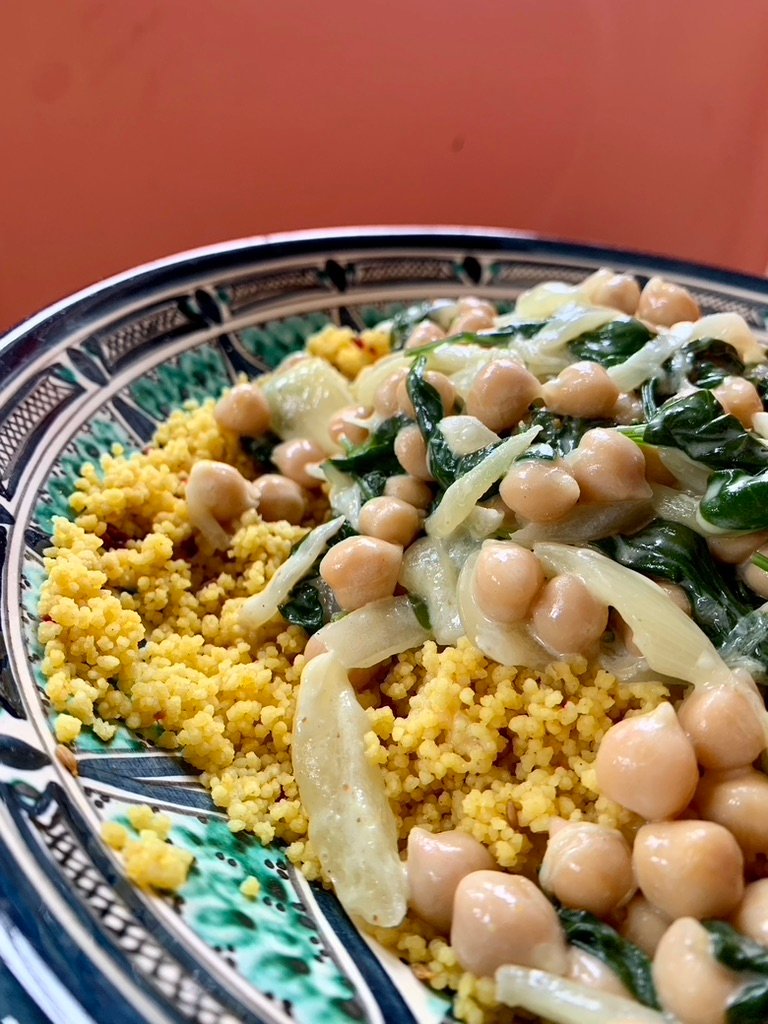
For lunch: Chicken, fish, lentils, chickpeas, eggs or tofu.
-
At dinner: Legumes, hummus, oilseeds (handfuls of almond), tofu.
Fiber
Fiber slows down digestion, moderates blood sugar spikes, and prolonges the feeling of fullness. They take up space in the stomach, which helps you feel "full" with fewer calories while nourishing the gut microbiota—a key ally in weight regulation. You can think of them as a "natural appetite suppressant," directly integrated into the structure of your meals.
Here are some easy-to-integrate fiber sources: For breakfast : A whole fruit (apple, pear, berries), wholemeal bread, oat flakes, ground chia or flax seeds. At lunch: A generous amount of vegetables (raw vegetables, salads, cooked vegetables), lentils, chickpeas or red beans, quinoa or whole rice. For dinner: A large portion of vegetables, vegetable soup, legumes (lentils, split peas, chickpeas).
Choosing the right carbohydrates for steady energy
Carbohydrates are not our enemies if they are good carbohydrates! They are the main fuel for our brain and muscles. The secret is to choose complex carbohydrates (with a low glycemic index) rather than simple and/or refined carbohydrates (white pasta, processed foods, white bread, sugar).
Complex carbohydrates, rich in fiber, release their energy slowly. This prevents spikes in blood sugar, followed by the inevitable energy "crash" (reactive hypoglycemia) that pushes you to seek sugar quickly. To better understand their role, I invite you to read our guide on balancing carbohydrates in a weight loss approach.
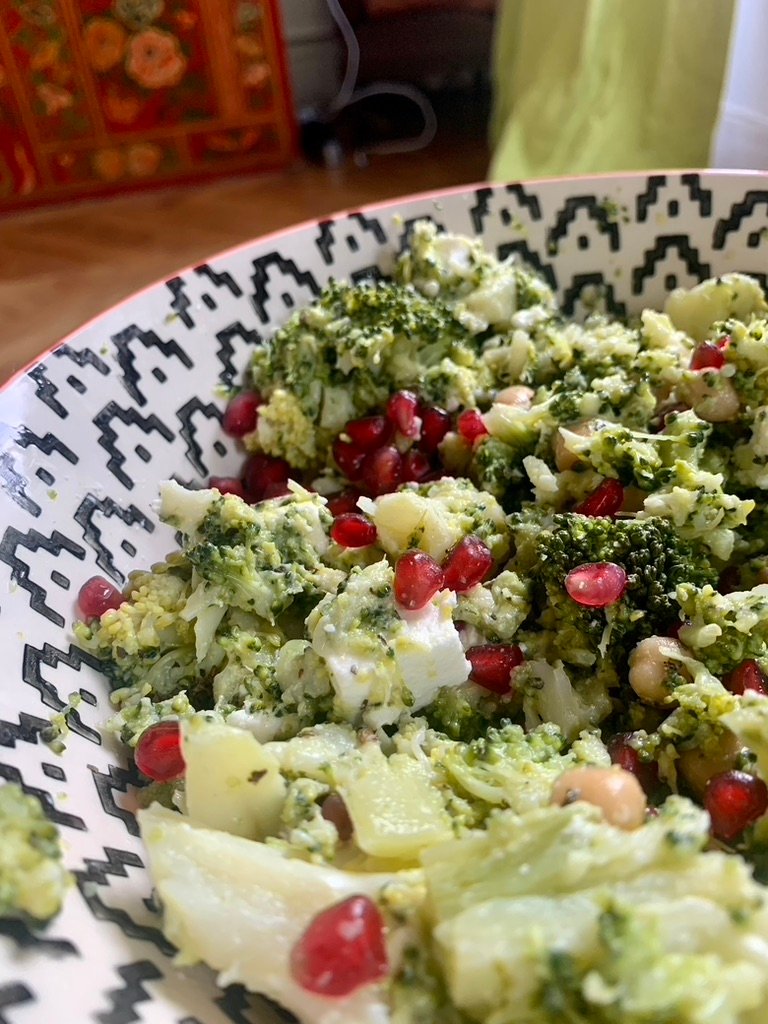
A simple visual tip that works well: compose your plate with half vegetables, a quarter protein, and a quarter complex carbohydrates. That's how I make all my meals, I no longer think in terms of recipes and it's much simpler!
No longer fear healthy fats
Fat has long had a bad reputation and it still persists even today. However, we now know that good fats (unsaturated fatty acids) are essential for our health. They contribute to hormone production, the absorption of certain vitamins, and play a crucial anti-inflammatory role.
When it comes to weight loss, they play an important role since they are very filling. A small amount is enough to bring a lot of flavor and to make you feel full for much longer.
Where to find them?
-
Avocados
-
High-quality vegetable oils (extra virgin olive, rapeseed, walnut, flaxseed, etc.)
-
Oilseeds (almonds, walnuts, hazelnuts)
-
Small fatty fish (mackerel, sardines, etc.)
Example of a flexible and delicious daily meal plan
Here is an example of a typical day, which I often do at home, simple and quick:
-
Breakfast: 2 eggs with a slice of sourdough wholemeal bread, or a chia seed pudding (delicious!).
-
Lunch: a small bowl of grated carrots with sesame seeds, a chicken breast with brown rice and spinach, garlic, olive oil.
-
Snack (if needed) : An apple with a spoonful of almond puree, or a slice of sourdough wholemeal bread with tahini.
-
Dinner: green salad followed by a red lentil dahl.
-
Pleasure: One or two squares of dark chocolate with at least 70% cocoa.
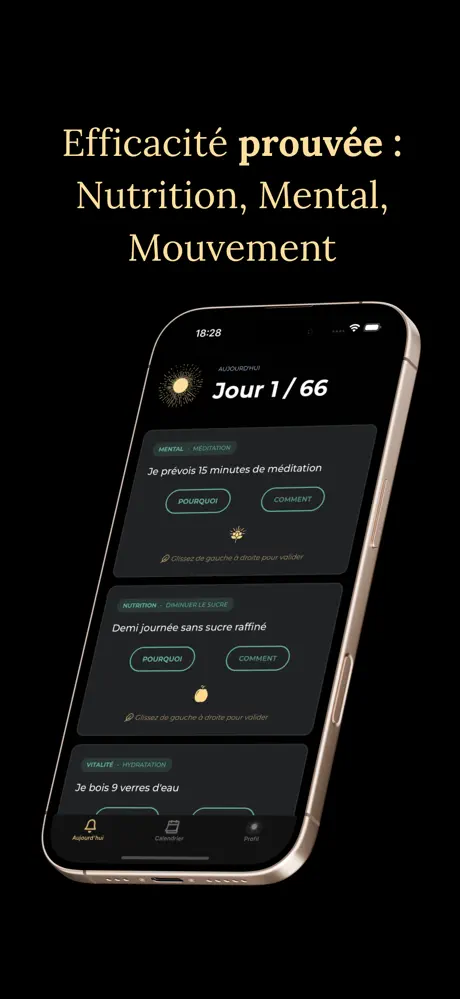
The foods you're not ready to give up, you can allow yourself through a ritual, for example once a week, by choosing a high-quality food. For instance, instead of a pack of cookies, could the idea of going to the bakery to buy a small cake that you crave this weekend be an acceptable alternative for your heart? That's it—a sustainable approach: the pleasure of eating becomes an ally. This is what we aim to achieve with the Niki Coach app, guiding you step by step to integrate these principles without stress, with our daily challenges.
Incorporate movement into daily life without constraints
Moving is a need as fundamental as eating or sleeping. It’s a source of energy and well-being. To lose weight sustainably, you need to reconcile with movement. Forget about performance and instead seek pleasure and consistency. Because on the contrary, if sport remains a constraint, you won’t stick with it. It requires effort at first, and that’s normal, but it’s important to find an activity that truly brings you joy.
The hidden power of your daily activities
The concept of NEAT (Non-Exercise Activity Thermogenesis) is interesting. It's a somewhat barbaric name for something very simple: all the calories you burn outside of your workout sessions.
Walking to go get a coffee, taking the stairs, doing housework, gardening, and even fidgeting in your chair. Its impact is colossal. Studies show that differences in NEAT between two people can create a gap ranging from several hundred calories per day, sometimes up to more than 1000 in extreme cases. That's a lot, and this movement also improves your overall health.
Increasing one's NEAT is the simplest and least painful strategy to boost energy expenditure:
-
During your calls: go for a walk! A 30-minute phone call can easily turn into a 2-kilometer walk.
-
Facing a staircase: Cool, a mini-muscle-strengthening exercise for free. No app needed. :)
-
For short trips: Park a little further away, get off one metro stop earlier. End to end, these small efforts can make a big difference to your week.
Find joy as the main driving force
If a fitness program fails, it's often because it brings no satisfaction. Naturally, between our daily constraints—work, commuting, housework, errands—if we add a sport that drags us along without any pleasure, unless you're a machine, it's doomed to fail.
The key, then, is to find an activity that truly brings you pleasure. What did you like to do as a child? What clubs are there near your home? What does your company offer? Make a list of options and try two or three to choose what suits you best today. Don’t hesitate to reassess this regularly; changing also revives desire.
Your body is not a machine to punish, it is your best ally. Choose an activity that celebrates it, strengthens it, and does it good, rather than a session experienced as a sanction.
No matter the intensity at the beginning. A simple 20-minute walk in nature has proven effects on reducing cortisol (the stress hormone), which directly helps in better managing one's weight.
Adapt your movement to your hormonal cycles
For us women, ignoring our hormonal fluctuations is a mistake. Forcing yourself to do a HIIT session during painful periods is completely counterproductive. We must learn to listen to our bodies and adapt our activity.
A few tips to synchronize movement and cycle:
-
During your period: Opt for gentle activities like yoga, stretching, or a slow walk. Movement helps relieve cramps by improving blood circulation.
-
In the pre-ovulatory phase: Energy is rising! It's the ideal time for more intense sessions like running, dancing, or circuit training, if the desire is there.
-
During perimenopause: Muscle strengthening becomes crucial to preserve muscle mass and bone-articular density. Exercises with light weights or bodyweight can be interesting.
By adapting the activity to your current state, you transform movement into true support. To go further, you can explore the benefits of movement in a sustainable weight loss perspective.
The science behind lasting habits
Changing habits isn't just about willpower: it also involves a real process of brain adaptation, which requires time and repetition to automate new behaviors. Research in health psychology shows that a new action, repeated in a stable context (for example, drinking a glass of water upon waking or walking 15 minutes after lunch), can gradually become more automatic over the weeks. This is the principle I use with Niki coach to help establish healthier routines step by step, rather than overhauling everything at once. The study by Phillippa Lally and her team at University College London illustrates this process well: it shows that the time needed for a behavior to become 'habitual' varies from person to person, often over several weeks, sometimes a few months, rather than just a few days.
The 66-day milestone
This study shows that it takes an average of 66 days for a new habit to truly take root in our daily lives, to the point of becoming as natural as brushing our teeth. So we're far from the 21 or 30 days we often hear.
What's interesting is that this figure is an average. For some participants, a simple habit took only 18 days to establish. For others, it could take up to 254 days. This difference is normal and, above all, reassuring: everyone progresses at their own pace.
The most important thing is not speed, it's consistency. Missing a day has virtually no impact in the long run, as long as you quickly get back on track.
The 3 essential phases of change
The path to anchoring a new habit is rarely a straight line. It follows a predictable curve, with ups and downs. Knowing these steps allows you to anticipate slumps and not give up at the first obstacle.
Phase 1: The Euphoria of the Beginning (the Honeymoon Period) The first few days are often the simplest. Motivation is at its peak, the novelty is exciting, and we savor the first small results. It's the moment when we feel invincible, carried along by the momentum of the project.
Phase 2: The trough of the wave (the reality test) That's where everything is decided. After one or two weeks, the novelty wears off. Real life takes over again, fatigue sets in, and our old habits come back full force. That's when the little inner voice starts negotiating: "Come on, just for today...", "I'll do it tomorrow, I promise".
This phase requires maximum conscious effort. It's the most critical moment, the one where most people give up. Having support and a clear structure makes all the difference.
Phase 3: Automaticity (The New Normal) If you hold strong during the trough of the wave, something fascinating happens. The behavior requires less and less mental effort. You no longer need to "force" yourself; it simply becomes part of your routine.
The habit is ingrained. The action has become so automatic that not doing it would seem strange to you. It's at this stage that the change becomes lasting, because it no longer depends on your motivation of the day.
How support can change everything
Being aware of these different phases helps us to take a step back in moments of lack of momentum. And to help us get through them, nothing beats having supportive people by our side. Sharing with a loved one who will have the right words, for example. Avoid loved ones you know will make you feel guilty—it's counterproductive! On top of that, a structured approach—especially during the "valleys"—can make a real difference. Working with a dietitian, nutritionist, naturopath, or a tool like Niki Coach will give you a better chance of staying on track.
As for Niki Coach, you have access to chat with a professional coach, as well as video call appointments (Premium) that allow you to discuss your difficulties in real time.
Questions you may have about weight loss without dieting
Is weight loss slower without a diet?
Yes, and fortunately! Rapid weight loss, like the kind promised by diets, often comes at the expense of your muscles and body water. The problem? It slows down your metabolism and sets the stage for the infamous yo-yo effect. It's a marathon, not a sprint. Patience is the key to lasting results.
The goal is not to lose weight as quickly as possible, but to avoid regaining it.
How to manage cravings just before your period?
These irresistible sugar cravings just before your period aren’t a lack of willpower, but a hormonal reality. The drop in progesterone and estrogen disrupts our mood and appetites. Instead of fighting your body, it’s better to support it.
-
Consider magnesium: Studies have shown that it can really help reduce the symptoms of premenstrual syndrome, including sugar cravings. Plan healthy snacks for your cravings
-
Choose the right carbohydrates: see the explanation above
-
Listen to yourself, without feeling guilty: If the craving is too strong, decide to have your snack but mindfully. You'll probably end up eating less snack in the end!
Can you really lose weight during menopause?
Absolutely. Menopause brings with it a host of hormonal changes that can indeed slow down metabolism and encourage fat storage, especially around the belly. But it's not a foregone conclusion.
It's precisely during this period that a diet-free approach really shines. The priority is no longer about deprivation, but about supporting your body. Consider these three priorities:
-
Muscle strengthening: It helps maintain active muscle mass, which directly supports your metabolism.
-
Proteins see explanations above
-
Stress management see explanations above
To learn more about the Niki Coach app, click here: https://niki-coach.com.