

The Stomach Vacuum
Their main interest is not to “melt the belly” but to strengthen deeply, release the diaphragm, and improve its mobility (according to Guillaume Néry and Alice Modolo). Thus, it primarily targets the transverse abdominis, the deep muscle that supports the abdominal wall, posture, and pelvic stability, as well as relaxing our diaphragm.
Behind its apparent simplicity lies a practice rooted in traditional yoga, later adapted for physical preparation and rehabilitation.
The Abdominal Vacuum, an ancient technique
Abdominal vacuum is not born in a gym. Under the name Uddiyana Bandha, it has been documented as early as the 15th century in the yogic tradition. Much later, it was popularized in the West by bodybuilding figures like Frank Zane in the 1970s. Personally, I started using it with my coach to help with postpartum diastasis, and I do the exercise every day now. Incidentally, it is an activity integrated into the postpartum program recommended by De Gasquet, a specialist in the female perineum.

What the vacuum really does
The vacuum exercise is not a shortcut for weight loss or abdominal fat loss: it does not replace a healthy lifestyle, movement, sleep, or diet. However, it is a very interesting tool when you feel a "loose" belly, a posture that collapses at the end of the day, lower back tension, pelvic floor issues, or abdominal weakness (such as postpartum weakness, for example).
We know the exercise is done correctly when we feel a deep core engage without pushing down.
Used correctly, this technique belongs to a very concrete logic of internal stability.
For whom does this technique make sense
This exercise is particularly beneficial for women weakened by pregnancy or approaching menopause. The pelvic floors are weakened, and sometimes the abdominals as well (diastasis). In these specific cases, traditional abdominal strengthening exercises can do more harm than good, so it is crucial to choose a gentle, targeted technique.
Furthermore, women who experience a lot of stress, fluctuating digestive issues, or a feeling of reduced muscle tone may also benefit greatly from it.
The Science of the Transverse: The Secret to a Solid Core
When people talk about abs, many immediately think of the rectus abdominis, the muscle of the six-pack. However, the vacuum exercise primarily targets another layer of the body: the transverse abdominis. It is the deep muscle that wraps around the torso like a natural corset.

This muscle does not serve to “draw” the stomach. It serves to stabilize, contain, and support.
The Practical Guide to Achieving the Perfect Vacuum
Learning vacuum exercises requires less strength than finesse. Often, the initial difficulty lies in the lack of sensory cues. The key is to create a deep inhalation after a true exhalation, without tensing the neck or arching the lower back.
It's easier to learn it lying down because you feel the exercise better without the gravity of the seated posture. 
Step 1 Find the right posture
To start, the simplest position remains lying on your back, knees bent, feet on the ground. This posture reduces some of the postural strain. You can then better feel what is happening in the lower abdomen.
Place one hand just inside the pelvic bones, on each side if possible. The idea is not to press hard, but to feel the deep area activate.
Useful references:
- Relaxed nape. The face remains calm. Master the stomach vacuum exercises
- Neutral pelvis. Avoid crushing the lower back. Master the stomach vacuum exercises
- Heavy shoulders. The upper body must not take over the work. Master the stomach vacuum exercises
Step 2 Exhale to create the space
The vacuum exercise always begins with the breath; it's important. Breathe in calmly through your nose. Then exhale gradually until you empty the air comfortably. This complete exhalation prepares the groundwork. Without it, the deep contraction is often unclear.
The good feeling resembles a recentering.
Think about closing a tight pair of jeans without tucking in your chest. The movement comes from the core, not the shoulders.
Step 3 Suck in without cheating
After expiration, gently draw the navel inward and slightly upward. The word “aspirate” helps, but it can also be misleading. It’s not about flattening the belly abruptly. It’s about engaging the deep core.
Three signs show that you're on the right track:
- The lower abdomen hollows out If everything happens above the navel, it's not going well. Master the stomach vacuum exercises
- The ribs do not flare forward. If the rib cage extends, you arch your back instead of bracing. Master the stomach vacuum exercises
- The perineum does not push downward. The center supports itself. It does not collapse. Master the stomach vacuum exercises
Most common mistakes
The vacuum exercise seems simple. In reality, it quickly reveals compensations. Here are the most common ones.
- Arch the back
You think you're pulling in your stomach, but you're actually pushing out your ribs and straining your lower back. Master the stomach vacuum exercises - Shoulder raises The body seeks help from above. As a result, breathing becomes shallow and the contraction loses quality. Master the stomach vacuum exercises
- Engage the superficial abs We create a visible tension, but not necessarily an engagement of the transverse. Master the stomach vacuum exercises
- Wanting to hold for too long A proper short contraction is better than forced holding. Master the stomach vacuum exercises
How to successfully add an exercise like stomach vacuum
Here are some tips that apply to any new habit you want to adopt:
- Associate it with an existing anchor such as brushing your teeth or the start of the day. Master the stomach vacuum exercises
- Keep a stable frequency rather than a big effort from time to time. Master the stomach vacuum exercises
- Follow the sensations, not just the duration. Master the stomach vacuum exercises
- Accept average days. Consistency is worth more than perfection. Master the stomach vacuum exercises
- Use a tool (Niki or others) to help with the habit integration phase Master the stomach vacuum exercises
The vacuum exercise requires no equipment, no specific attire, nor a long session. So it's easy to integrate into your daily routine.
Precautions and Contraindications to Know
Signals that require stopping
Stop immediately if you feel:
- A distinct pain in the abdomen, pelvis, or back. Master the stomach vacuum exercises
- Dizziness or a feeling of lightheadedness. Master the stomach vacuum exercises
- Persistent respiratory discomfort after the series. Master the stomach vacuum exercises
- A downward pressure in the pelvic area. Master the stomach vacuum exercises
The vacuum exercise should not be painful.
The right attitude
If you have any doubts, especially in cases of digestive, abdominal, pelvic, or cardiovascular history, seek the advice of a healthcare professional.
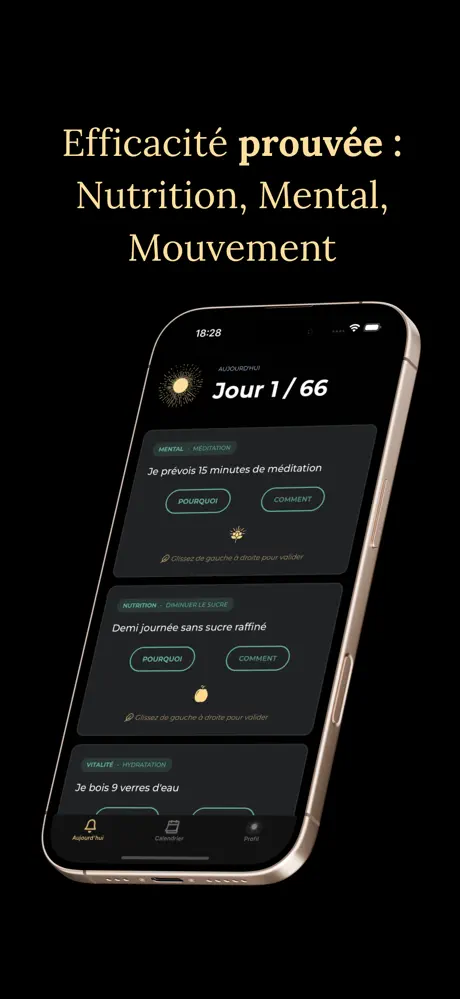
Niki Coach is an app offering personalized programs to help you establish new habits (Nutrition, Mental, Movement).