
Can we really talk about addiction when it comes to sugar?
Literally, the term “addiction” is debated by scientists. But emotionally, culturally, and in our daily lives… the answer is clearly yes.
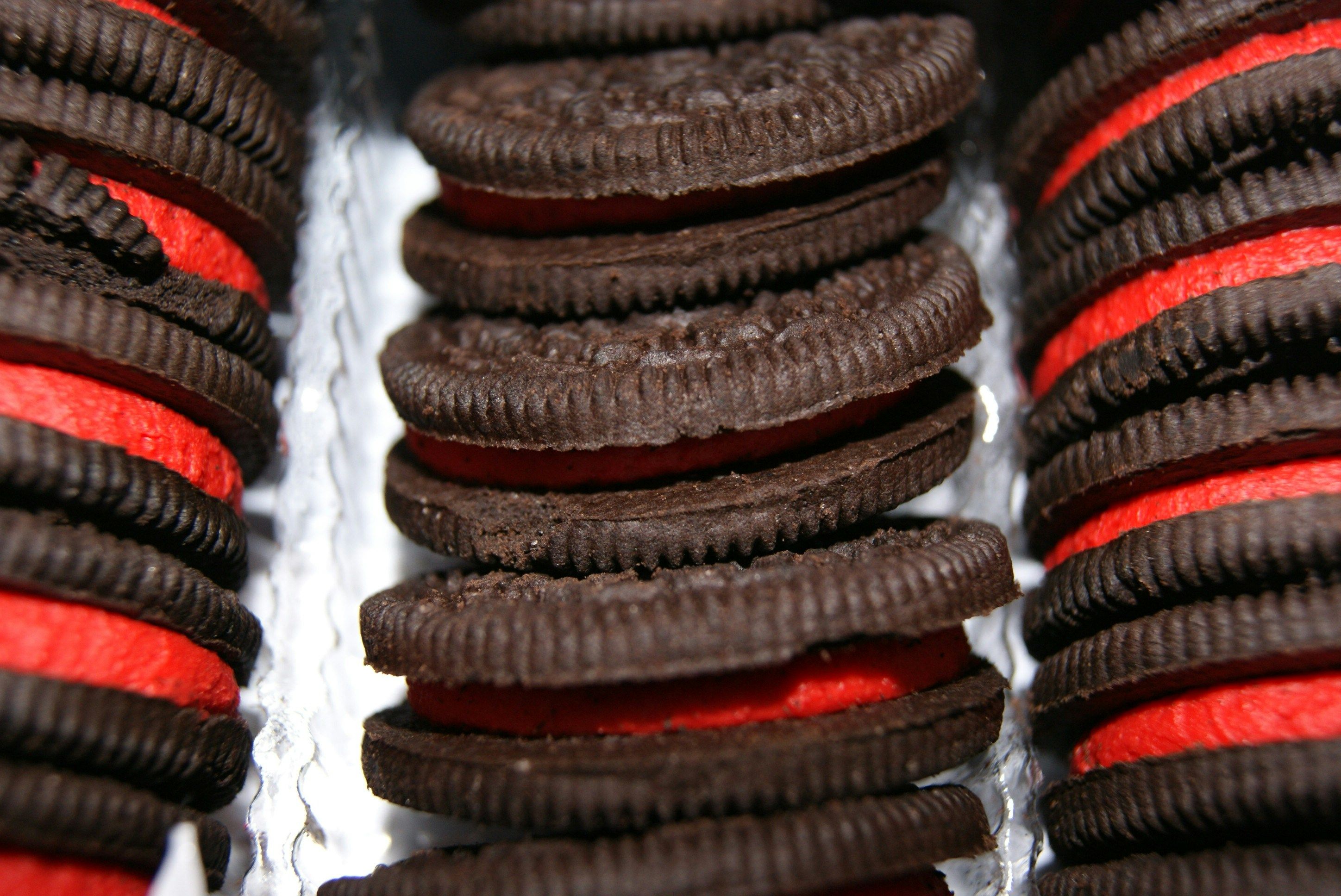
Snacking is one of the most common issues in consultations. Junk food and sugary snacks are everywhere, presented as normal, even 'inevitable.' Yet, that’s false. And above all, it’s a vicious cycle: the more sugar you consume, the more you crave it.
The good news is that the cycle can instead become virtuous: the less we consume, the less we want.
I am the first witness to it.
I was raised on Nutella, Chocapic, Galak, and Kinder Bueno. Sugar was a big part of my daily life, and I couldn’t go a day without it.
When I started getting interested in nutrition, cutting out snacking was one of the keys to successfully managing my PCOS (polycystic ovary syndrome). So, I took it slowly.
Little by little, I changed my pantry. I started by removing everything that was too tempting, to avoid giving in. I preferred to go to a good bakery and buy a quality pastry. The simple act of having to go there, to make the decision to get it, drastically reduced my consumption. At home, I set up new alternatives: honey, coconut sugar, dark chocolate 70% minimum, and fruits that really appealed to me.
I also thought about the times when I craved snacks the most. It was always at the same time, late in the day, when I felt a slump, or when I was upset. The slump was definitely there, so I chose some healthy alternatives that appealed to me and allowed me to have something to munch on without feeling guilty (see below).
At the moment when I felt like snacking, I would drink a large glass of water and ask myself: do I really feel hungry? Am I upset, stressed, or tired? When it was stress, I tried other ways to relieve the pressure: walking, calling a friend, meditating, breathing deeply…
We all have one thing that works, we just need to find out which one!
What also helped me a lot was knowing that a compulsive craving only lasts on average about 20 minutes. So, if we do something else, it eventually passes on its own.
Little by little, I needed less sugar. Today, you could put a Kinder Bueno in front of me: it no longer tempts me. My palate has changed, and industrial cakes now seem sickly sweet to me.
It’s within everyone’s reach. The real difficulty is the first push.
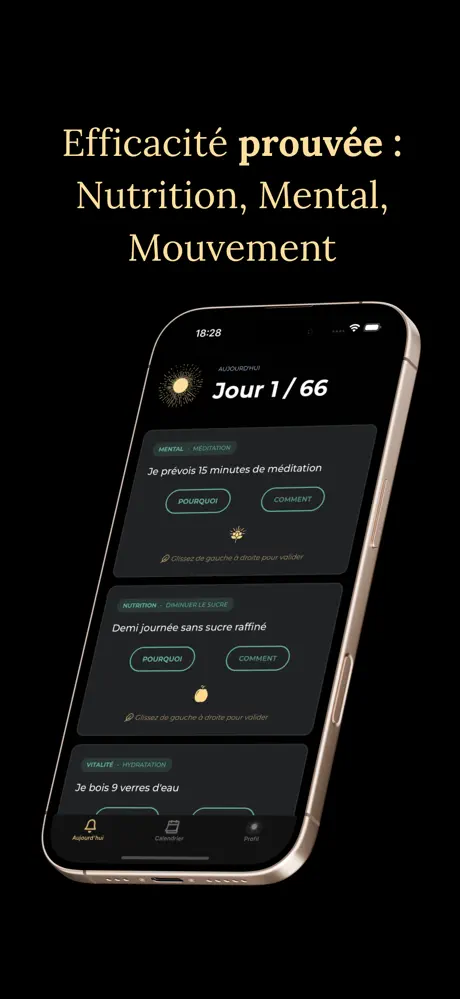
And if you need support, the Niki program offers small "sugar-free" challenges spaced out over time, so that your brain can naturally get used to them and the process becomes easier. My goal: Show you that you are capable of getting there. Offer you healthy alternatives to avoid the number one enemy: frustration. A part of the blog post text: Sugar Addiction: Testimony and Advice
Summary to quit sugar
1. Change your closet
- Remove temptations: do not store what triggers cravings.
2. Find healthy alternatives
Examples:
- fresh fruit or dried fruit (apricots, goji berries) + almonds
- homemade cookies in a flash (5 minutes, see recipes)
- sourdough bread + almond puree
- sheep's yogurt + fresh fruit + oilseeds
- And many others!
3. Identify the root cause
- Wondering why the craving appears: real hunger, fatigue, annoyance, stress? If it's related to the morning (11 a.m.), reconsider breakfast.
4. Replace snacking with a stress-relief tool
- Walking, breathing, meditation, cardiac coherence, calling a loved one, or even a motivating support (app, book, object).
5. Accepting support
- Ask for help from a loved one, a professional, or use an app to stay motivated.
6. Plan your pleasures
- Plan a quality dessert during the week to reduce frustration and stick with it long-term.
7. Reprogram your palate
- Consume more natural and unprocessed foods. Little by little, industrial products seem too sweet and sickening.
8. Managing blood sugar spikes
- Always pair a carbohydrate with a source of protein or healthy fats to avoid the energy crash that triggers cravings (nuts, eggs, etc.)
9. Focus on hydration
- Drink a large glass of water or herbal tea before giving in to the craving: thirst is often confused with hunger.
10. Avoid visual triggers
- Limit exposure to content (ads, social media) that makes you crave sugar (if needed, clean up your feed!)
11. Celebrating Small Victories
- Note each day without giving in, reward yourself with small treats, and acknowledge your victories—it's essential!